
 On this Christmas Day, we have a simple wish. It is the wish that equitable access to obesity care, free from stigma and blame, should be available to all.
Right now, that is clearly not true. And there’s a lot to suggest that the trends are headed in precisely the wrong direction.
Skimming the Cream in Obesity
From the start, when GLP-1s came out for obesity, there has been something of a golden rule at work in access to care with them. Bring the gold to pay and you can get these remarkable medicines. Everyone else went to the back of the line.
Incremental Progress
For a time, things were getting better. In several states, Medicaid programs started covering them, opening up access for people with fewer financial resources to these essential medicines. More and more drug plans added them, especially for larger employers. Medicare opened up some coverage for people with cardiovascular disease or obstructive sleep apnea in addition to obesity. There was even talk about opening up broader coverage for obesity treatment.
Retrenchment
But now, many people are losing coverage. The New York Times reports that older Americans are quitting these drugs “in droves” and it’s not because of side effects or a lack of benefit. More often it’s because their drug plans are reversing earlier decisions to cover them. Some Medicaid programs are cutting coverage, as Pennsylvania is doing with the start of the new year.
Likewise, some employers are cutting coverage.
All of these situations reflect the same thinking. People know that obesity, left untreated, will cause big health problems down the road. But they are more worried about the bills for these medicines, which carry hefty list prices. Growing discounts mean that the net prices for everyone are coming down, but the reputation for a daunting list price, together with a very large population of people needing these drugs, presents a scary picture for the people paying the bills. The retrenchment is very real.
A Glimmer of Hope
Despite the retrenchment, we have reason to be hopeful. Just yesterday, CMS took one more step toward better access to obesity medicines in Medicaid and Medicare. They’re calling it the BALANCE Model. It will launch in May 2026 for voluntary participation through state Medicaid programs and in January 2027 for Medicare drug benefit plans.
It is important, because it is a step in the right direction. The aim, says CMS administrator Mehmet Oz, is “democratizing access to weight-loss medication.” But the devil will be in the details of implementation – and none of those details are totally clear right now.
Problem Solving and Equity – Instead of Fear
All of this brings us to our Christmas wish that cooler heads and problem solving will carry the day, instead of fear. As Uché Blackstock tells us quite clearly in a recent essay:
“The United States spends more on healthcare than any other high-income nation. Yet millions still cannot access the care they pay for. Affordability is no longer a policy topic. It is the dividing line between health and preventable disease.”
If we do not wish for our children to inherit health systems overwhelmed by a far bigger burden of chronic diseases than we already have, we need a problem-solving mindset to bring equitable access to obesity care now.
Yes, this is a sincere Christmas wish. But it is based on far more than wishful thinking.
Click here, here, and here to read more on the proposed BALANCE Model. For perspective on equity (or the lack of it) in American healthcare, click here.
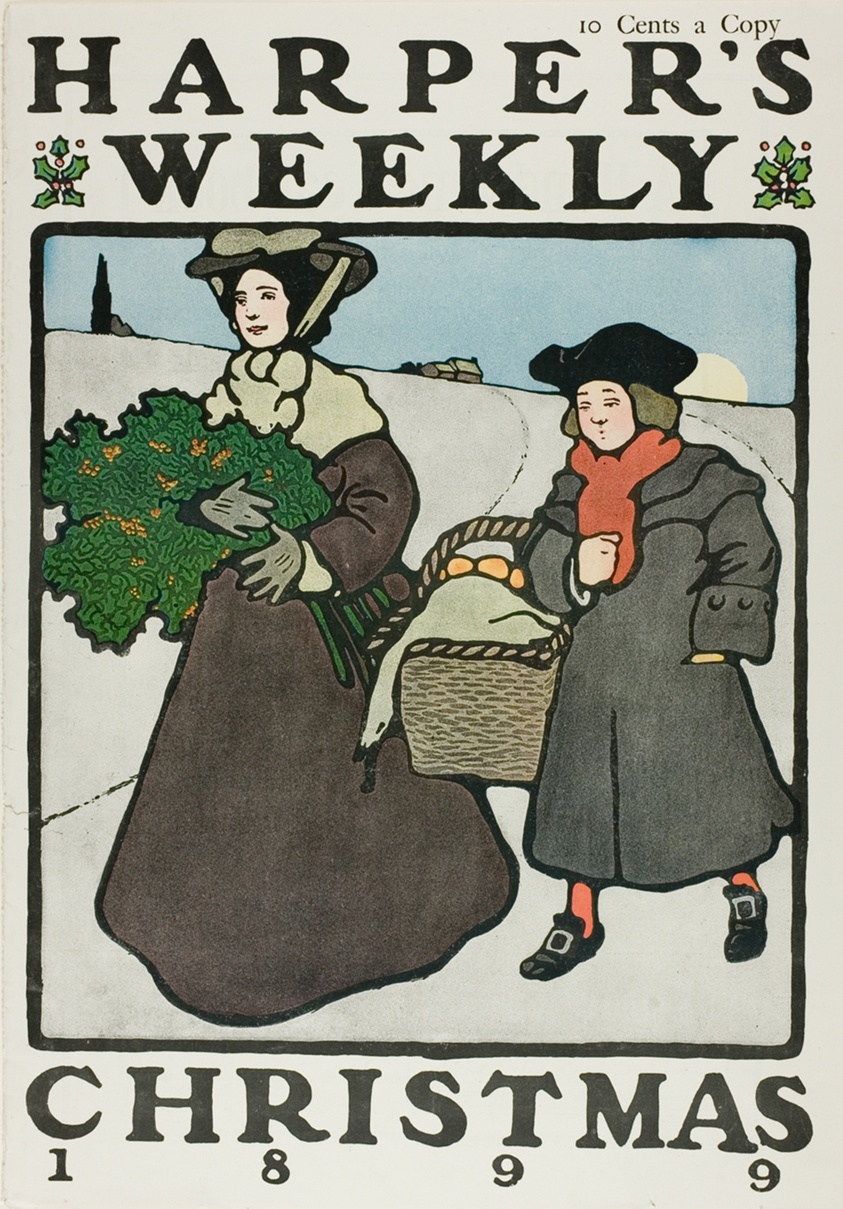
Christmas 1899, illustration for Harper’s Weekly by Edward Penfield / The New York Public Library
Subscribe by email to follow the accumulating evidence and observations that shape our view of health, obesity, and policy.

December 25, 2025 at 7:21 am, Christine Rosenbloom said:
May your Christmas wish come true! Merry Christmas to you and your family.