
 Saturated fats are bad. But wait, our health secretary has been teasing us with vows that new dietary guidelines will advise us they’re not. Nutrition experts are in a tizzy. We merely shake our heads at another dietary generalization going up in smoke – reinforcing the timeless thought that all generalizations are wrong. Yes, even this generalization about generalizations.
In dietary advice, it seems especially true.
The Saturated Fat Convulsion
Alice Callahan graces us with an especially clear overview of the current convulsion over saturated fats. Generally, she talked with people who are holding the line on advice to limit saturated fats. And yes, diets high in saturated fats are often problematic. So we don’t really blame her for not bothering with the self-promoting dogma that tends to come from the opposition figures like Nina Teicholz and folks who favor deep-fried butter. Yuck.
But Callahan does touch on the problem with sweeping generalizations about saturated fats. It’s used as an excuse to banish dairy fat and promote the blight of wholly unsatisfying low-fat dairy products. This persists, even in the face of abundant evidence that whole-fat dairy foods might even be good for you.
It is a case in point of a generalization run amok.
The Procession of Dietary Generalizations
We have many more reasons to beware of dietary generalizations. The debacle of the 80s with low-fat diets hung on until the turn of this century – all because of a generalization about fat being bad for us across the board. Then generalizations about sugar and carbs took hold. But in the present moment, generalizations about ultra-processed foods are taking over the machinery of dietary fear-mongering.
Back to the Origins
Whom shall we thank for the warning against problematic generalizations? It is rather unclear, perhaps because the concept is so compelling. Everyone lays claim to it. Like most witticisms, Mark Twain gets some credit. Alexandre Dumas fils, a French author and playwright, seems to deserve more credit. But perhaps the earliest documentation of this concept comes from an English aristocrat, Lady Mary Wortley Montagu. In a 1710 letter to her future husband, she wrote:
“General notions are generally wrong. Ignorance and folly are thought the best foundations for virtue, as if not knowing what a good wife is was necessary to make one so.”
Whatever the source, caution about the danger of broad generalizations is wise. Especially in matters of nutrition.
Click here for free access to Callahan’s article in the New York Times about saturated fat. For further thoughts about generalizations, click here. Finally, if you want to dig into the source of timeless quips about generalizations, click here.
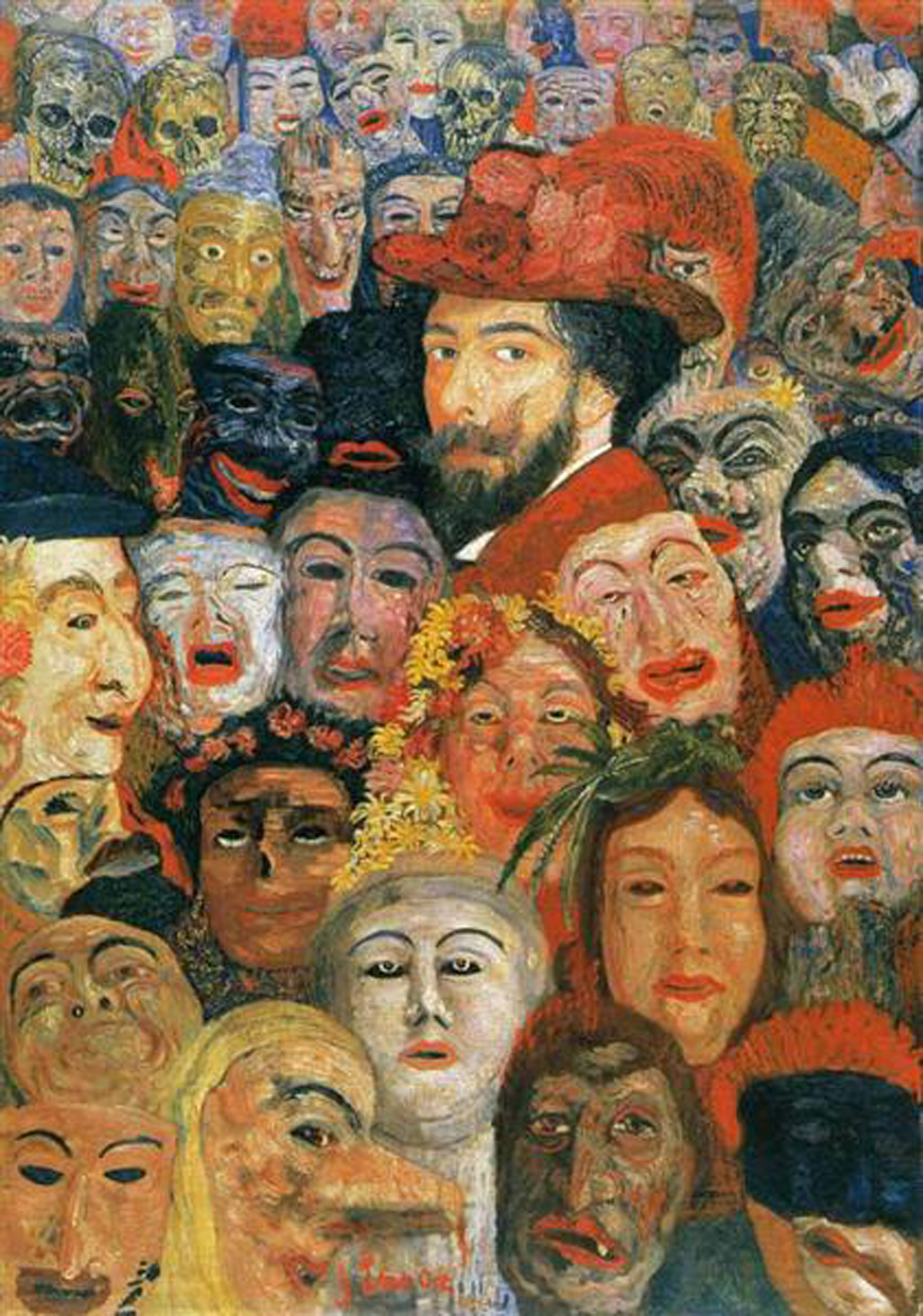
Self-Portrait with Masks, painting by James Ensor / WikiArt
Subscribe by email to follow the accumulating evidence and observations that shape our view of health, obesity, and policy.

December 10, 2025 at 9:29 am, John DiTraglia said:
97.635% of all percentages are made up.
December 10, 2025 at 11:31 am, Joe Gitchell said:
Ted – thank you for this helpful reminder that the world does not owe us simplicity!
I can’t resist sharing another nugget about Lady Montagu–see section 3.2 in this article from O’Connor and Weatherall (and the whole thing is really good, too, as is their book, The Misinformation Age: How False Beliefs Spread):
https://cailinoconnor.com/wp-content/uploads/2019/08/Misinformation_Groupthink.pdf
Joe