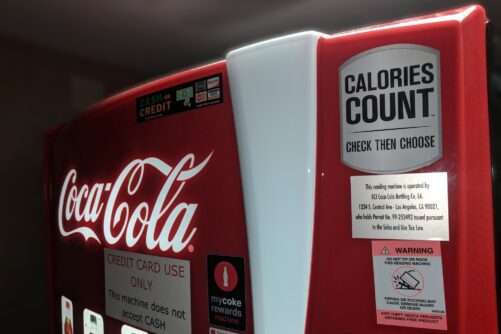
Increasingly, it looks like calorie counting is dead. Remember 100-calorie snack packages? They came and went early in this millenium. They were the snack food industry response to then President George W. Bush pushing against a rising tide of obesity. Back then, obesity experts speculated that those packs “might be one potentially successful approach to fight today’s obesity epidemic.” Nabisco told us at the time on their packs of slimmed down Oreos:
“Eating smarter but looking for great-tasting snacks? You’ll love what your friends at Nabisco have created for you.”
It did not fly.
What Were We Thinking?
Portion control and counting calories sounded great but satisfied no one. Those 100-calorie packs landed in the dustbin of countless other failed obesity-fighting strategies. Millennial lawyer and social media influencer Eve Tilley-Coulson explains on TikTok how passé calorie counting has become:
“GenZ will never understand 100-calorie packs – how we would eat anything if it was only 100 crackers.”
The World Has Moved On
Consumer research from the International Food Information Council (IFIC) suggests that consumers have moved on from a singular focus on calories. Far fewer people today are ready to believe that calories from all sources equally affect their health and weight. New data from 2025 says that only 25% of adults agree with that. In 2011, the number was 40%. This aligns with a shift toward focusing on health more than on counting calories and losing weight seen in other findings from this research.
Food Historian Helen Zoe Veit tells the New York Times:
“The stranglehold that calories have had on our culture is loosening. They are just not a great way for most people to relate to eating, and counting them is a fundamentally unsustainable way for people to have a healthy or joyful relationship with food.”
Is this the result of the success of GLP-1 medicines for obesity? Or is it an expansion of thinking that was taking hold before the GLP-1s changed our public discourse about health and weight? Probably, it is a bit of both.
Either way, it is a welcome development.
Click here for gift access to further perspective in the New York Times and here for more on the rise and fall of 100-calorie snack packs. For more on the IFIC Research, click here and here.
Coca-Cola Calories Count, photograph by Davidwbarratt, licensed under CC BY-SA 4.0
Subscribe by email to follow the accumulating evidence and observations that shape our view of health, obesity, and policy.