
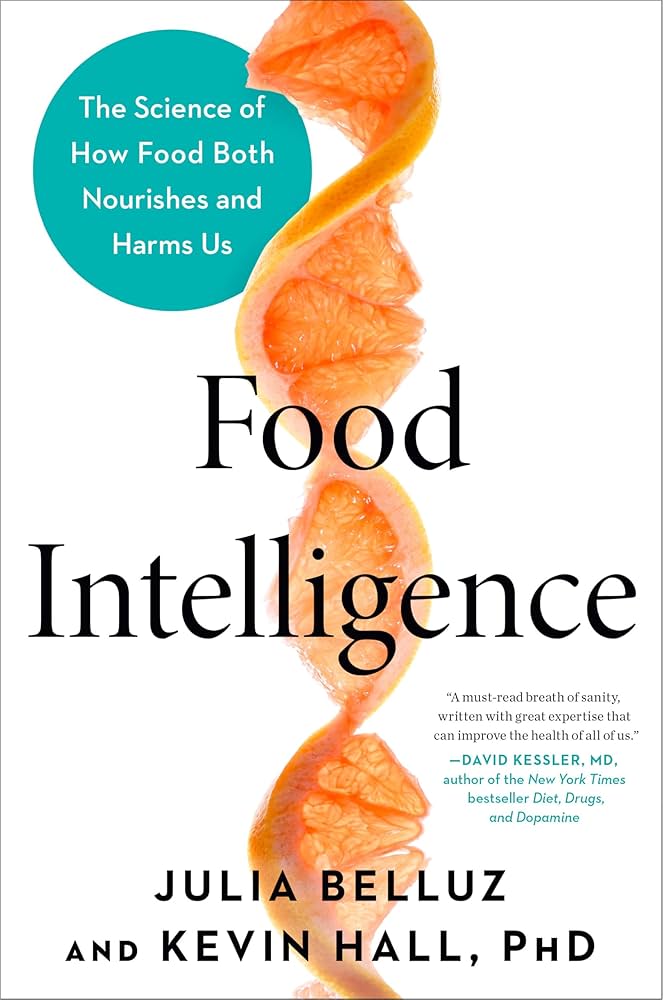
 Julia Belluz and Kevin Hall have some Food Intelligence to offer us this week and their book of this title will be shipping on Tuesday. No, this is not a paid endorsement. It is, though, an earnest recommendation to learn from two of the most thoughtful people we know on the subject of food, health, and how our culture conspires with food marketers to serve up an unhealthy diet. We have the good fortune to have had time to absorb their thinking from an advance copy they provided.
Our friend, Marion Nestle, has high praise for their book and we concur:
“If you want to understand how nutrition became so contentious and why we are still arguing about whether it’s better to eat more or less fat, carbohydrates, protein, or vitamins, you must read Food Intelligence. Well-written, historically accurate, and scientifically rigorous, this book brings you up to the moment on contemporary dietary issues.”
Regarding Ultra-Processed Foods
Because Hall is author of the most cited study of ultra-processed foods, it’s quite natural to think this will be the focus of their book. But though you will find plenty to read about these foods, they are not really the whole focus. Rather, the focus is on the food environment that ultra-processed foods have shaped. The authors explain:
“There’s overwhelming evidence of the vast cost and suffering caused by diet-related chronic diseases and that the ultra-processed food environment has played a leading role. In America alone, diet-related conditions like obesity, cardiovascular disease, and diabetes affect more than one hundred million people and annually cost almost 9 percent of the gross domestic product. Doing nothing is certainly an option – but it doesn’t seem like a particularly wise one. So where to start?”
In our view, the distinction between the food itself and the environment that shapes how we consume it is critically important. It is quite easy to make headlines by proclaiming these foods are “toxic.” But the deeper truth is that the dose makes the poison. It is the pattern of life we have built around tasty, abundant, and convenient foods that leads to the health problems we can so readily associate with ultra-processed foods.
Railing on about “toxic” foods is easy. Reshaping whole patterns for life is not.
Leading with Science
In the end, Belluz and Hall do quite a fine job of calling for more science and less magical thinking about food:
“We hope any interest this book inspires in nutrition science and policy will spur more public support for research that tests our understanding of food and its effects on our health. After all, rigorous science is what’s needed if we want solid evidence, rather than magical thinking, to lead in Food 2.0.”
For this reason, their new book is well worth your time.
Click here for more about their book, here, here, and here for links to order it. For an interview with Hall about it, click here.
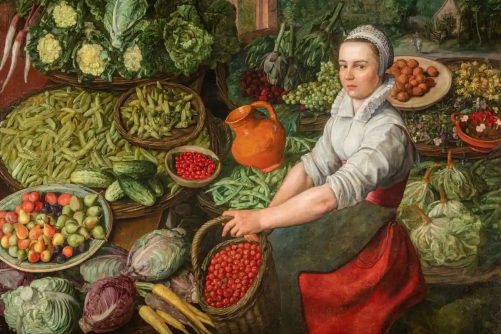
The Vegetable Seller, painting attributed to Joachim Beuckelaer / Wikimedia Commons
Subscribe by email to follow the accumulating evidence and observations that shape our view of health, obesity, and policy.

September 21, 2025 at 8:18 am, Christine Rosenbloom said:
I have it on preorder!
September 21, 2025 at 7:26 pm, Bart B. Van Bockstaele said:
Same here. According to Google, I should have it in two days from now (20250923). I can hardly wait.