
Toxic is one of those clickbait words that ironically fuels poisonous rhetoric on the very nuanced subject of food and health. Insert “toxic” into a conversation and nuance will disappear. Robert Lustig famously used the word “toxic” to inject hyperbole into food policy when he proclaimed that sugar is toxic. Now we have a demagogue leading health policy in the U.S. who says ultra-processed foods “poison American children.”
Food poisoning is a very real thing. But the problem with ultra-processed food is not poisoning. The problem is the food environment that ultra-processed foods have helped to create.
The Ultra-Processed Food Environment
In a commentary for the New York Times and in their upcoming book, Julia Belluz and Kevin Hall are careful to talk about the problem of ultra-processed foods in terms of the environment they create. Not to label the foods themselves as “toxic.” They write about “the rise in diet-related chronic disease as being driven by a food environment that is increasingly composed of highly processed foods.”
They explain it’s not just the processing or formulation of these foods that’s problematic. The problem is what it makes possible – variety, scale, ubiquity, price, and convenience that a grandmother’s apple pie cannot match. Delicious, special foods, formerly requiring the devotion of time for preparation, are now cheap and easy to eat anytime. The thoughtful writing of Belluz and Hall on this subject will make their book entirely worthwhile.
But does it help when people start calling food toxic?
It might help to grab attention – for a time. It also might help to sell books. It’s good clickbait. Unfortunately, it’s hyperbolic.
The Problem with Hyperbole
Hyperbole, without real and practical answers, eventually leads people to tune out. This kind of hyperbolic rhetoric poisons a subject over time. So people drop out of serious conversations aimed at solving it.
Our dysfunctional food environment is a genuine problem. It would be a shame to hinder conversations about it with hyperbolic rhetoric.
Click here for free access to the commentary by Belluz and Hall in the Times.
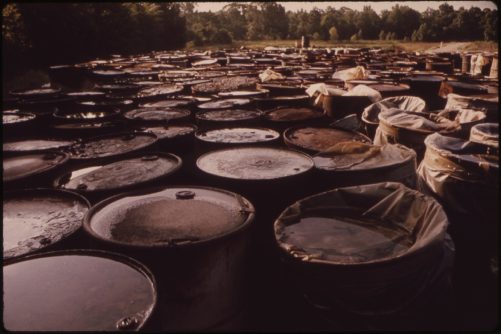
Drums of Toxic Waste, photograph by John Messina for EPA / Wikimedia Commons
Subscribe by email to follow the accumulating evidence and observations that shape our view of health, obesity, and policy.

September 14, 2025 at 11:02 am, Allen Browne said:
And we continue to consider the contribution of the chemicals involved in HPF and its packaging and in our daily lives. Ongoing studies in humans are beginning to show evidence of an association of exposure and the disease of obesity.
Slow steady progress.
Allen